
Preserve the material
Masonry & Mortar Repairin Southern California
A considered scope for brick, stone and mortar changes around the chimney.
Serving Ventura, Los Angeles and Orange counties · Scope, access and appointment times are arranged for each property.
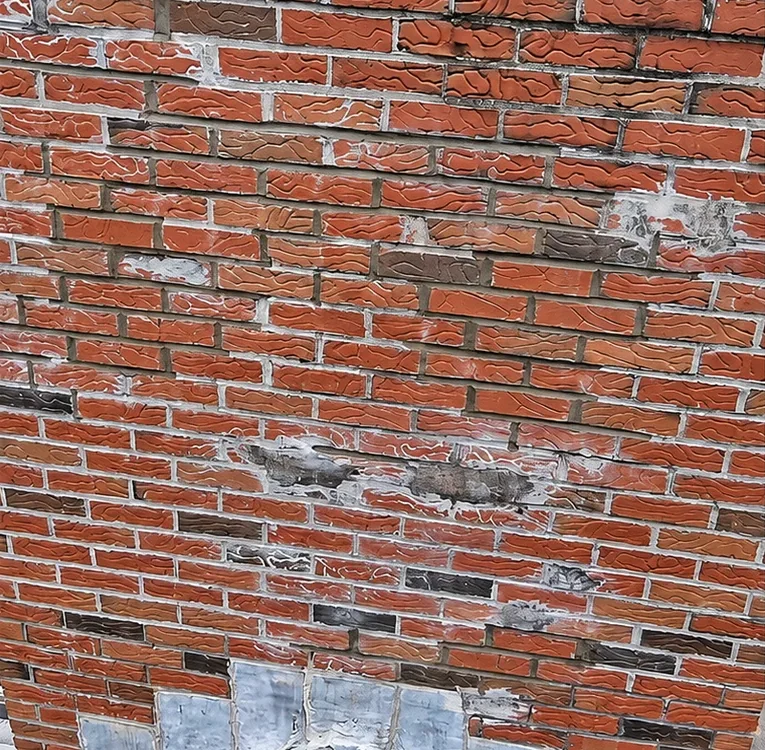
Understand the concern
A mortar match involves more than color.
For older brick or stone, a visually convincing repair can still be unsuitable if the mortar is incompatible. Strength, moisture movement, joint profile and the condition of the masonry units matter alongside color. The work should distinguish joints that need renewal from bricks or stones that need separate attention.
Changes worth documenting
- Open or deeply eroded joints, recurring cracks or mortar separating from masonry.
- Brick faces flaking away beside a harder-looking earlier patch.
- White deposits, persistent dampness or visible differences between original and repaired areas.
What the assessment should address
- Existing masonry and mortar properties, deterioration patterns and likely moisture or movement concerns.
- The extent of repointing, protection of retained units and the proposed joint finish or sample area.
Before the conversation
- Share the approximate building age and any available earlier repair specifications.
- Bring photographs in consistent lighting and identify the appearance you want to preserve. Do not remove a sample yourself.
Real photographs · Before & after
See the detail.
See the difference.
Explore photographic records from the owner’s project archive. Move each divider to see the individual views.
Owner’s project archive · PeakStone
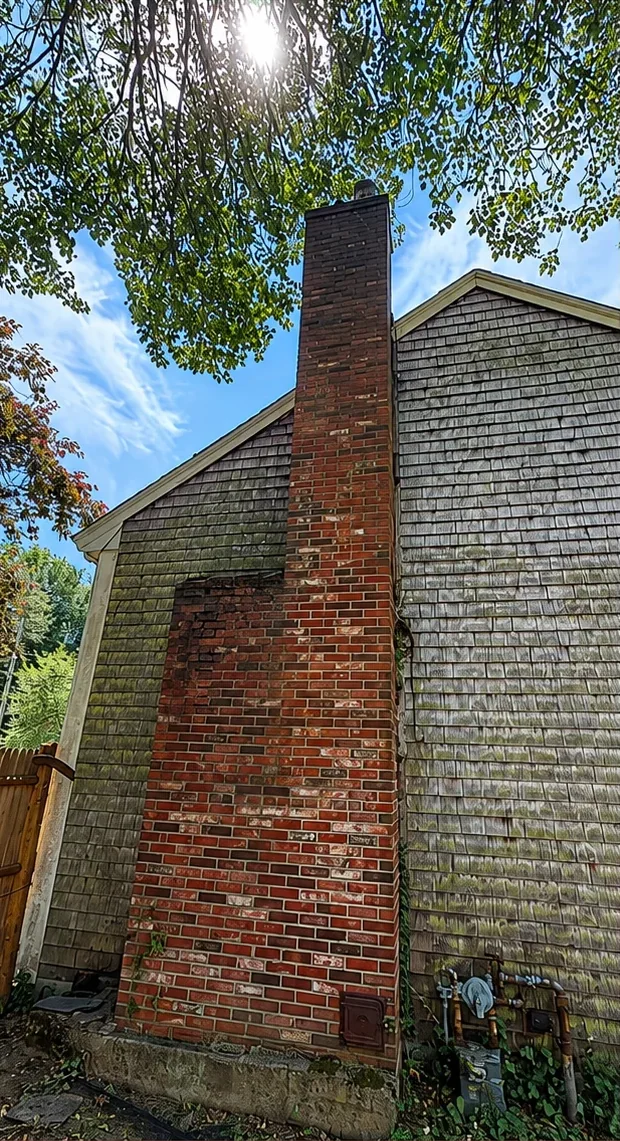
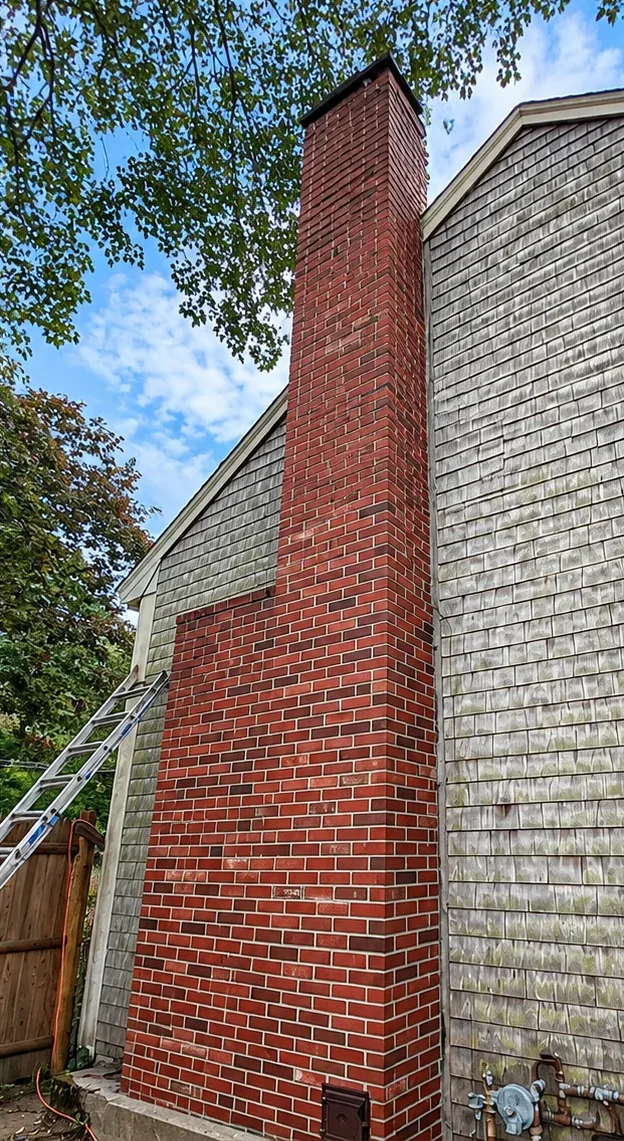
Same chimney elevation, photographed from different ground-level angles.
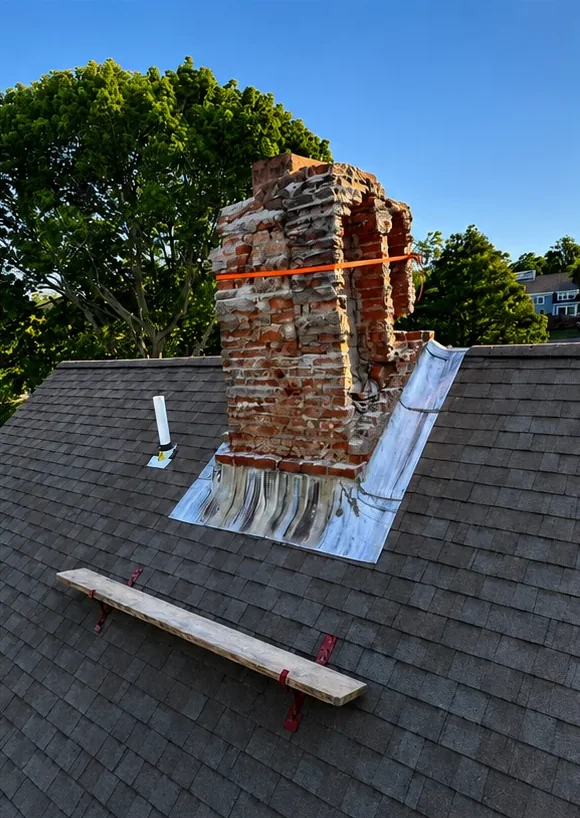
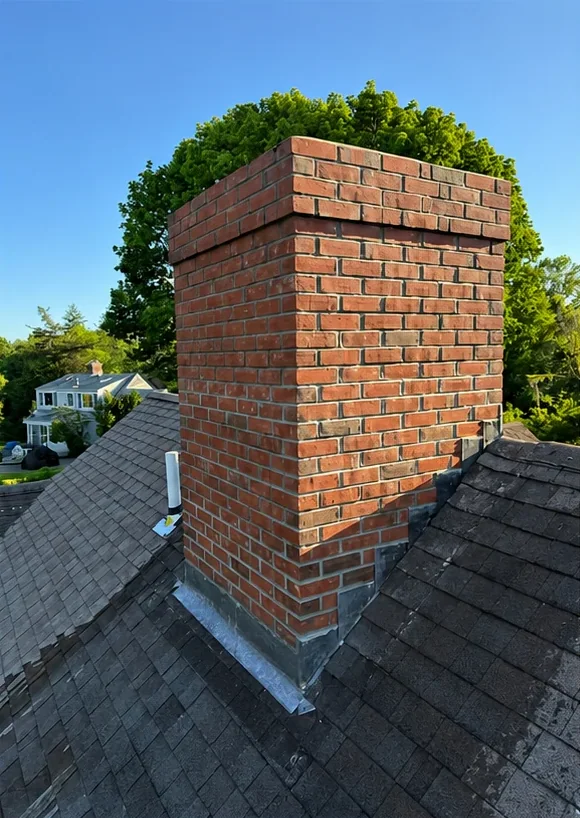
Similar roof-level views; camera position and framing differ.
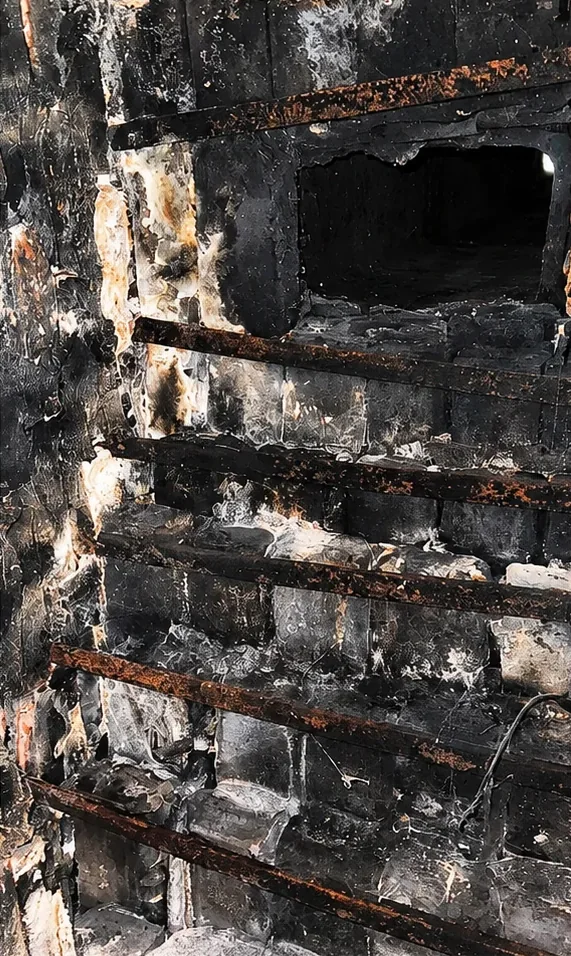
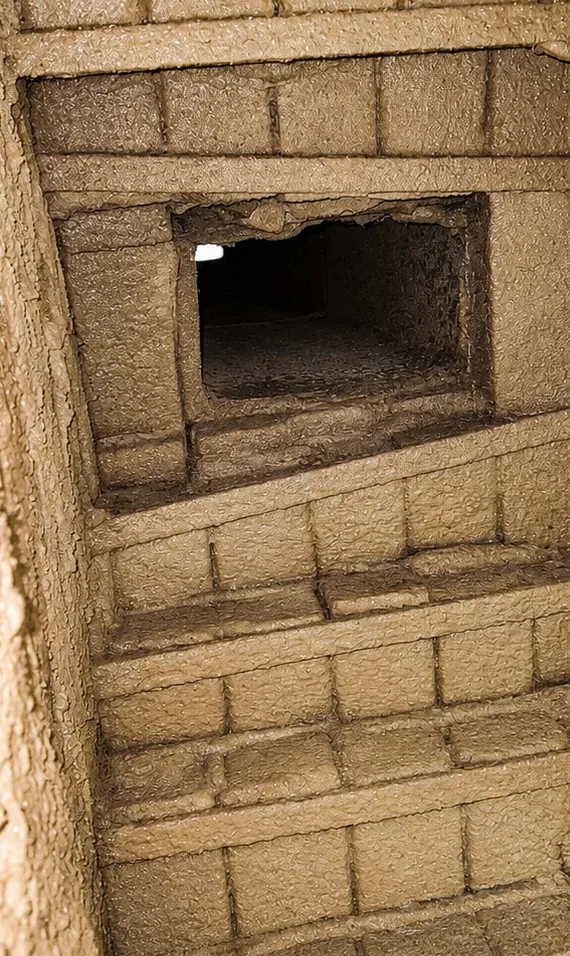
Same interior masonry opening; camera angle and framing vary.
Planning the scope.
Photograph visible mortar gaps, changed joints or loose-looking material from the ground. The assessment separates appearance goals from conditions that affect the structure.
Repair materials and finish should suit the existing construction. Texture and color deserve consideration alongside the cause and extent of deterioration.
Review access, adjacent roof details and the proposed scope before accepting an estimate. Substantial alteration or structural questions may require city review or another qualified professional.
Common questions
Start with what you know.
Why is the hardest mortar not always the best choice?
Historic masonry can be softer and more permeable than modern repair materials. An overly strong or dense mortar can shift stress and moisture into the surrounding brick or stone. Compatibility should be assessed for the existing construction.
Does the entire chimney need repointing when some joints are worn?
Not automatically. Ask the assessment to map the affected areas and explain the proposed extent. A sample can help review color and tooling, but appearance approval does not replace checking material compatibility and the cause of deterioration.
Can mortar color be matched from a photo?
Photos help communicate the goal, but material, lighting and the existing finish must be assessed in person.
Is every crack cosmetic?
No. An inspection is needed before describing a crack as superficial.